Introduction
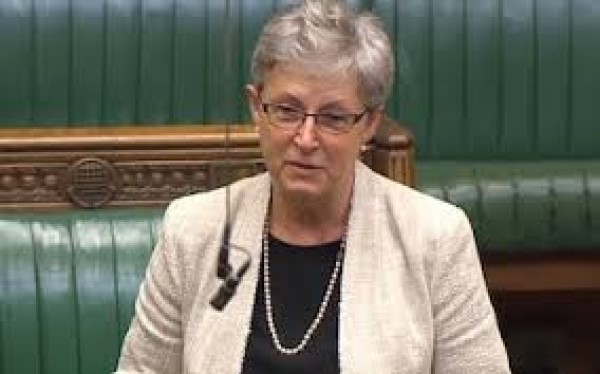
Gisela Stuart is one of the most distinctive and influential figures in modern British politics. Known for her strong convictions, independent thinking, and pivotal role in the United Kingdom’s decision to leave the European Union, she has built a reputation as a determined public servant who is unafraid to challenge political norms. Her journey from a small town in Germany to the heart of Westminster reflects resilience, adaptability, and a deep commitment to democratic values.
Over more than two decades in public life, Stuart served as a Member of Parliament, government minister, constitutional reform advocate, and later as a senior public official in the House of Lords. She became internationally recognised during the 2016 Brexit referendum, where she chaired the official Vote Leave campaign, positioning herself at the centre of one of the most consequential political events in modern British history.
This article explores her early life, political career, leadership during Brexit, personal values, achievements, and lasting legacy in British governance.
Early Life and Background of Gisela Stuart
Childhood in Germany
Gisela Stuart was born on 26 November 1955 in Velden, Bavaria, then part of West Germany. She grew up in a traditional Roman Catholic family in a rural setting. Her upbringing instilled discipline, strong moral values, and a sense of community responsibility, all of which would later influence her political philosophy.
During her youth, Europe was still recovering from the aftermath of the Second World War and navigating the complexities of Cold War politics. These historical circumstances shaped her awareness of national identity, democracy, and international cooperation.
Moving to the United Kingdom
In 1974, at the age of 19, Stuart moved to the United Kingdom with the intention of improving her English language skills. What began as a temporary visit soon turned into a permanent relocation. She quickly adapted to British society and developed a deep appreciation for its democratic traditions and institutions.
Her decision to stay in the UK marked the beginning of a life dedicated to public service in her adopted country.
Education and Academic Development
After settling in Britain, Stuart pursued higher education in law. She studied at the University of London and later became a lecturer in legal studies. Her academic background provided a strong foundation in constitutional law and governance, preparing her for a future career in politics.
Her experience in education also helped her develop communication skills, analytical thinking, and the ability to explain complex issues clearly—qualities that would later define her political leadership.
Entry into British Politics
Joining the Labour Party
Gisela Stuart joined the Labour Party in the 1970s, motivated by a desire to contribute to social progress and equality. She was particularly interested in policies that supported working families, public health, and education.
Her early involvement in local party activities allowed her to build networks, understand community concerns, and develop practical political experience.
Election as Member of Parliament
In 1997, Stuart achieved a major milestone when she was elected as the Member of Parliament (MP) for Birmingham Edgbaston. Her victory came during a historic general election that brought significant change to British politics.
As an MP, she quickly gained recognition for her dedication to constituency work and her ability to address complex policy issues.
Key Responsibilities as an MP
- Representing constituents in Parliament
- Advocating for healthcare and social welfare reforms
- Participating in parliamentary debates and committees
- Supporting local economic development
Her commitment to public service earned her respect across party lines.
Government Roles and Policy Contributions
Ministerial Appointment in the Health Department
Between 1999 and 2001, Gisela Stuart served as a Parliamentary Under-Secretary of State for Health. In this role, she focused on improving healthcare delivery and strengthening public health services.
Her work included:
- Supporting reforms to the National Health Service
- Promoting patient safety initiatives
- Encouraging collaboration between healthcare providers
Although her ministerial tenure was relatively short, it demonstrated her ability to handle complex administrative responsibilities.
Involvement in Constitutional Reform
One of Stuart’s most significant contributions to British governance came through her involvement in constitutional reform. She played a key role in discussions about the future structure of the European Union and the relationship between national governments and supranational institutions.
Her participation in constitutional debates helped shape her reputation as an expert in governance and democratic accountability.
Leadership Role in the Brexit Campaign
Chairing the Vote Leave Campaign
Gisela Stuart’s national and international profile rose dramatically during the 2016 referendum on the United Kingdom’s membership in the European Union.
She served as the Chair of the official Vote Leave campaign, making her one of the most prominent advocates for Brexit.
This role required:
- Strategic planning and leadership
- Public communication and media engagement
- Coalition building across political parties
- Policy development and messaging
Her leadership helped unify supporters from different political backgrounds, including Conservatives, Labour members, and independent voters.
Why She Supported Brexit
Stuart’s support for Brexit was based on several key principles:
Democratic Accountability
She believed that decisions affecting British citizens should be made by elected representatives in the United Kingdom rather than by European institutions.
National Sovereignty
Stuart argued that leaving the European Union would allow Britain to regain control over its laws, borders, and economic policies.
Institutional Reform
She also expressed concerns about the complexity and transparency of European governance structures.
Her arguments resonated with many voters who wanted greater national control over policy decisions.
Impact on British Politics
The referendum result in June 2016 marked a turning point in British history. The decision to leave the European Union triggered political, economic, and social changes that continue to shape the country today.
Gisela Stuart’s role in the campaign ensured her place in the historical record as one of the central figures behind Brexit.
Transition to the House of Lords
Becoming a Life Peer
In 2020, Gisela Stuart was appointed to the House of Lords as a life peer. This appointment recognised her long-standing contributions to public service and her influence on national policy.
As a member of the House of Lords, she participates in legislative review, policy debates, and public administration oversight.
Responsibilities in the Upper Chamber
Her duties include:
- Reviewing proposed legislation
- Contributing to national policy discussions
- Advising government officials
- Supporting democratic governance
Her experience in both elected and appointed roles provides valuable insight into the functioning of the British political system.
Appointment as First Civil Service Commissioner
Oversight of Public Sector Recruitment
In 2022, Gisela Stuart was appointed as the First Civil Service Commissioner. This position carries significant responsibility for maintaining fairness and transparency in government recruitment.
The role involves:
- Ensuring merit-based hiring in the civil service
- Upholding ethical standards in public administration
- Monitoring recruitment practices across departments
Her appointment reflected trust in her integrity and leadership.
Importance of the Role
The Civil Service Commission plays a vital role in safeguarding the independence of the British civil service. By overseeing recruitment and professional standards, the commission helps maintain public confidence in government institutions.
Stuart’s leadership in this area demonstrates her continued commitment to accountability and good governance.
Personal Life and Values
Family and Relationships
Gisela Stuart is a mother of two sons and has balanced family responsibilities with a demanding political career. Her personal experiences have influenced her understanding of social policy, particularly in areas such as education and healthcare.
Religious and Ethical Beliefs
She identifies as a Roman Catholic and has often spoken about the importance of moral responsibility in public life. Her faith has shaped her views on community service, compassion, and ethical leadership.
Work Ethic and Leadership Style
Colleagues frequently describe Stuart as:
- Determined
- Independent
- Pragmatic
- Principled
Her leadership style emphasises evidence-based decision-making and respectful debate.
Achievements and Recognition
Major Career Milestones
Throughout her career, Gisela Stuart has achieved several notable accomplishments:
- Serving as Member of Parliament for 20 years
- Holding a ministerial position in government
- Leading a national referendum campaign
- Becoming a member of the House of Lords
- Overseeing civil service recruitment standards
These achievements reflect her long-term influence on British public life.
Reputation in British Politics
Stuart is widely regarded as a politician who values independence and intellectual honesty. She has demonstrated a willingness to challenge party leadership when necessary, earning respect from supporters and critics alike.
Her career illustrates the importance of principled leadership in democratic systems.
Legacy and Historical Significance
Role in Shaping Modern Britain
Gisela Stuart’s contribution to the Brexit referendum ensures her place in modern British history. Her leadership during a period of national debate and transformation highlights the impact that individual leaders can have on public policy.
Influence on Future Generations
Her story serves as an inspiration to aspiring politicians, particularly immigrants who seek to participate in public life. It demonstrates that dedication, education, and perseverance can lead to meaningful change.
Continued Public Service
Even after leaving elected office, Stuart remains active in public administration and governance. Her ongoing work reflects a lifelong commitment to strengthening democratic institutions.
Conclusion
Gisela Stuart’s journey from a young German student to a senior figure in British politics is a remarkable example of determination and public service. Her career spans decades of political change, constitutional reform, and national debate.
From representing Birmingham Edgbaston in Parliament to leading the Vote Leave campaign and overseeing civil service recruitment, she has played a significant role in shaping modern Britain. Her influence extends beyond party politics, reflecting a dedication to democratic accountability and responsible leadership.
As the United Kingdom continues to navigate its post-Brexit future, Gisela Stuart’s legacy remains an important chapter in the story of British governance and political transformation.